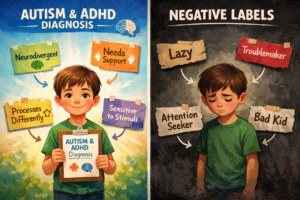
Autism Spectrum Disorder (ASD) is a neurodevelopmental condition that affects social communication, behavior, and sensory processing. Many parents notice a curious pattern: children with autism often show their most intense symptoms—like meltdowns, stimming, or anxiety—around their mothers, while appearing calmer with fathers or other caregivers. Why does this happen? The answer lies in a mix of psychology, biology, and family dynamics.
1. Mom Feels Like a Safe Space
Children naturally express their truest emotions with those they feel safest around. For many children with autism, this is their mother. Feeling secure allows them to show frustration, anxiety, or sensory overload openly—things they might suppress with fathers or other adults. This “masking” of behavior in less familiar settings makes their symptoms less visible outside the maternal relationship.
2. Daily Routines Can Highlight Struggles
Mothers often take on the brunt of daily caregiving—meals, homework, therapy sessions, and transitions between activities. These everyday routines can unintentionally trigger autistic behaviors. Fathers or others may have a more relaxed or playful style, reducing the visibility of challenges during interactions.
3. Emotional Sensitivity Plays a Role
Children with autism can pick up on subtle emotions. Mothers, often more emotionally tuned-in to their child’s needs, may unknowingly amplify stress responses. Other caregivers may interact with less emotional intensity, which can result in fewer visible symptoms.
4. Attachment and Biology Matter
Early mother-child interactions can shape emotional and neurodevelopmental patterns. Children may form strong attachments with mothers due to prolonged caregiving exposure, which makes maternal interactions more emotionally charged. Stress or sensory sensitivities may therefore emerge more clearly in this familiar setting.
5. Cultural Expectations and Caregiving Roles
Mothers typically handle most caregiving tasks, from daily routines to appointments and therapies. Children may “expect” mothers to manage their emotions, leading to more pronounced behaviors around them.
6. Why This Matters Clinically
Recognizing that symptoms often appear stronger with mothers helps families and clinicians:
- Observe children in multiple settings to get a full picture of their behavior.
- Support maternal wellbeing, since visible challenges can increase stress.
- Tailor interventions to different caregivers, helping children generalize coping skills.
Bottom Line
Kids with autism often act differently around moms because they feel safe, experience structured routines, and respond to emotional sensitivity. Understanding this helps families approach behavior with empathy, reduces guilt, and guides more effective support strategies for everyone.
If you have any further questions about this blog post, please feel free to get in touch with me.